Rose for Valentine Font
There’s something about the delicate curves and soft edges of Rose for Valentine that makes it feel like a whisper of romance. I was designing a set of candle labels the other day, and as I typed out the name of the scent—Lavender Moon—I realized how perfectly this font captured the essence of what I was trying to create. It wasn’t just a font; it was a mood, a feeling, a visual language that spoke directly to the heart.
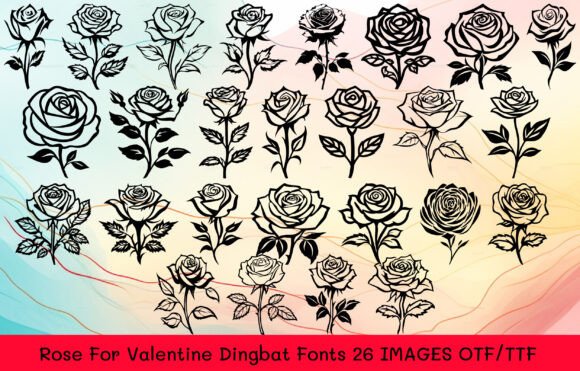
Each letter in Rose for Valentine is a little work of art. The roses aren’t just decorative; they’re integrated into the letterforms themselves, creating a subtle yet unmistakable floral motif. It’s a dingbats font, but not in the traditional sense. Instead of symbols or icons, it offers a unique typographic expression that feels both elegant and personal. Whether I’m working on a greeting card, a wedding invitation, or a printable wall art piece, this font adds a touch of sophistication without being over the top.
Using Rose for Valentine in Handmade Projects
One of my favorite ways to use Rose for Valentine is on handmade labels. I’ve been experimenting with packaging for my small line of soy candles, and the font has become a staple. It works beautifully on paper tags, especially when paired with a simple sans serif for the product details. The contrast between the ornate rose designs and the clean, modern text creates a balanced look that feels both professional and personal.
I also love using it for seasonal projects. During the holidays, I created a set of custom gift tags, and the font added a romantic flair that made the packages feel extra special. It’s perfect for farmhouse signs, too. I designed a welcome board for a friend’s wedding using the font, and the result was elegant yet approachable. It gave the sign a timeless quality that fit right in with the rustic decor.
Designing with Rose for Valentine
When I’m working on digital printables, Rose for Valentine becomes a key element in the design. I often pair it with a script font for headings or a bold display font for titles. The font’s intricate details make it ideal for decorative wording, but it also holds up well in smaller sizes. I’ve used it on stickers, labels, and even on the back of business cards. It’s versatile enough to work across different formats and scales.
For printed cards, I tend to keep the text short. Names, titles, and short phrases are where this font shines. It’s not meant for long paragraphs, but that’s okay. Its charm lies in its ability to add character to specific elements of a design. When I create printable wall art, I often use it for the main text, letting the rose motifs stand out without overwhelming the overall composition.
Practical Tips for Using Rose for Valentine
If you’re using this font for cutting machines like Cricut or Silhouette, be mindful of the detail. Some of the swashes and ligatures may not cut as cleanly as simpler fonts. I usually test a few letters first to make sure the design translates well to physical materials. For small stickers or labels, a simplified version of the font might work better than the full dingbats set.
When it comes to pairing, I find that Rose for Valentine pairs well with a clean sans serif like Helvetica or a simple serif like Georgia. It also works nicely with handwritten fonts for a more organic look. If I’m designing a logo or branding element, I’ll often use it as a secondary typeface to add visual interest without competing with the main text.
Before using Rose for Valentine for commercial purposes, I always check the licensing information. It’s important to make sure the font is suitable for your intended use, whether it’s for printables, merchandise, or digital downloads. The file formats included—like OTF and TTF—are standard and easy to work with, which is a big plus for anyone who wants to integrate the font into their workflow quickly.
Adding a Personal Touch
What I love most about Rose for Valentine is how it allows me to infuse my work with a personal touch. Whether I’m creating a custom invitation or designing a seasonal sign, the font helps me express the emotion behind each project. It’s not just a tool; it’s a way to connect with my audience on a deeper level.
As I continue to explore new creative ideas, I know I’ll keep coming back to this font. It’s a reliable companion for any project that calls for a bit of elegance and charm. And for anyone looking to elevate their handmade products or digital designs, Rose for Valentine is a must-have in their collection of design assets.
From candle labels to wedding invitations, from printable wall art to boutique packaging, this font has proven itself time and again. It’s a testament to the power of typography in shaping the visual identity of a brand and the emotional impact of a well-designed piece.
Whether you’re a seasoned crafter or just starting out, Rose for Valentine offers a unique way to bring your creative vision to life. With its blend of beauty and functionality, it’s a font that truly speaks to the heart of handmade design.